
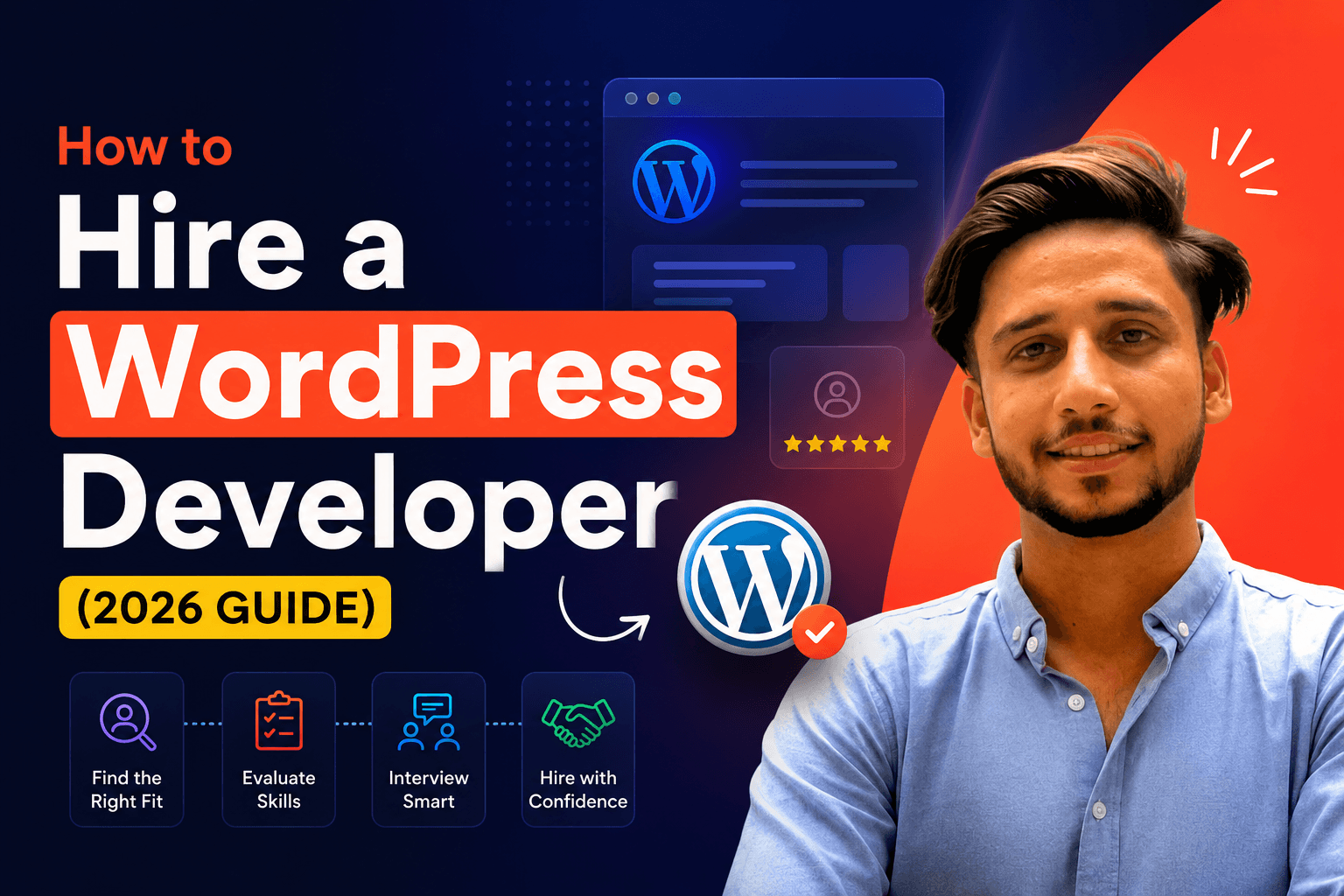

Quick answer: To hire a WordPress developer: (1) decide between a freelancer, agency, or in-house hire — for most small businesses a freelancer gives the best value; (2) judge candidates by their live portfolio, not mockups — visit the sites, check speed and mobile; (3) confirm SEO, speed, and security are included as standard, not upsells; (4) make sure you'll own your site and code; and (5) ask about post-launch support before you commit. Costs typically run $800–$1,500 for a starter site and $1,000–$3,000+ for larger builds. Below is the full playbook from someone who's been the hired developer 120+ times.
I've Been the "WordPress Developer You Hire" 120+ Times
Hey, I'm Salman — a freelance WordPress developer who's built 120+ websites for businesses in the US, UK, Canada, Germany, Mexico, and Pakistan. So this guide isn't theory: it's what I've watched clients get right and wrong when hiring, and the exact questions I wish more of them asked before we started.
Hiring the right developer is the difference between a website that generates leads for years and an expensive one you quietly resent. The good news: you don't need to be technical to hire well. You need to know what to look for — and what the polished pitches leave out.
Step 1: Freelancer, Agency, or In-House?
Three ways to get a WordPress site built, and the right one depends on your size and budget:
| Option | Best for | Typical cost |
|---|---|---|
| Freelance developer | Small businesses, startups, SMEs — most people | $800 – $5,000 |
| Agency | Enterprises with big budgets & complex needs | $10,000 – $50,000+ |
| In-house hire | Companies with continuous, full-time dev work | $60k+/year salary |
For the vast majority of businesses, a freelance developer wins: you work directly with the person building your site, turnaround is faster, and you're not paying for office rent and account managers baked into an agency invoice. Agencies make sense at enterprise scale; in-house only makes sense when you have enough ongoing work to keep a developer busy full-time. If you like the agency model but not the price, you can also hire a freelance developer who delivers agency-quality work at a fraction of the cost. And if you want the reliability of in-house without a full-time salary, you can hire a dedicated WordPress developer on a retainer or ongoing basis — one consistent person on call.
Step 2: Judge the Portfolio — Live Sites, Not Mockups
This is the single most important filter, and the one most people skip. Anyone can show you beautiful mockups. What matters is what they've actually shipped:
- Visit the live websites. Not screenshots — the real URLs. Are they still online? Do they still look good?
- Check speed on your phone. Open a few of their sites on mobile data. Slow, janky sites are a red flag no matter how pretty the design.
- Look for results, not just looks. The best portfolios say what the site achieved — leads, rankings, a launch that went smoothly — not just "here's a nice homepage." (My portfolio lists real clients with real outcomes for exactly this reason.)
- Match their work to your needs. A developer who's built stores should build your store; someone who's only done brochure sites may struggle with a complex build.
Step 3: Confirm SEO, Speed & Security Are Included
A website that's invisible to Google or slow on mobile doesn't work — no matter how it looks. Yet many developers treat these as extras. Before you hire, confirm the build includes, as standard:
- SEO structure — proper headings, schema markup, meta tags, clean URLs.
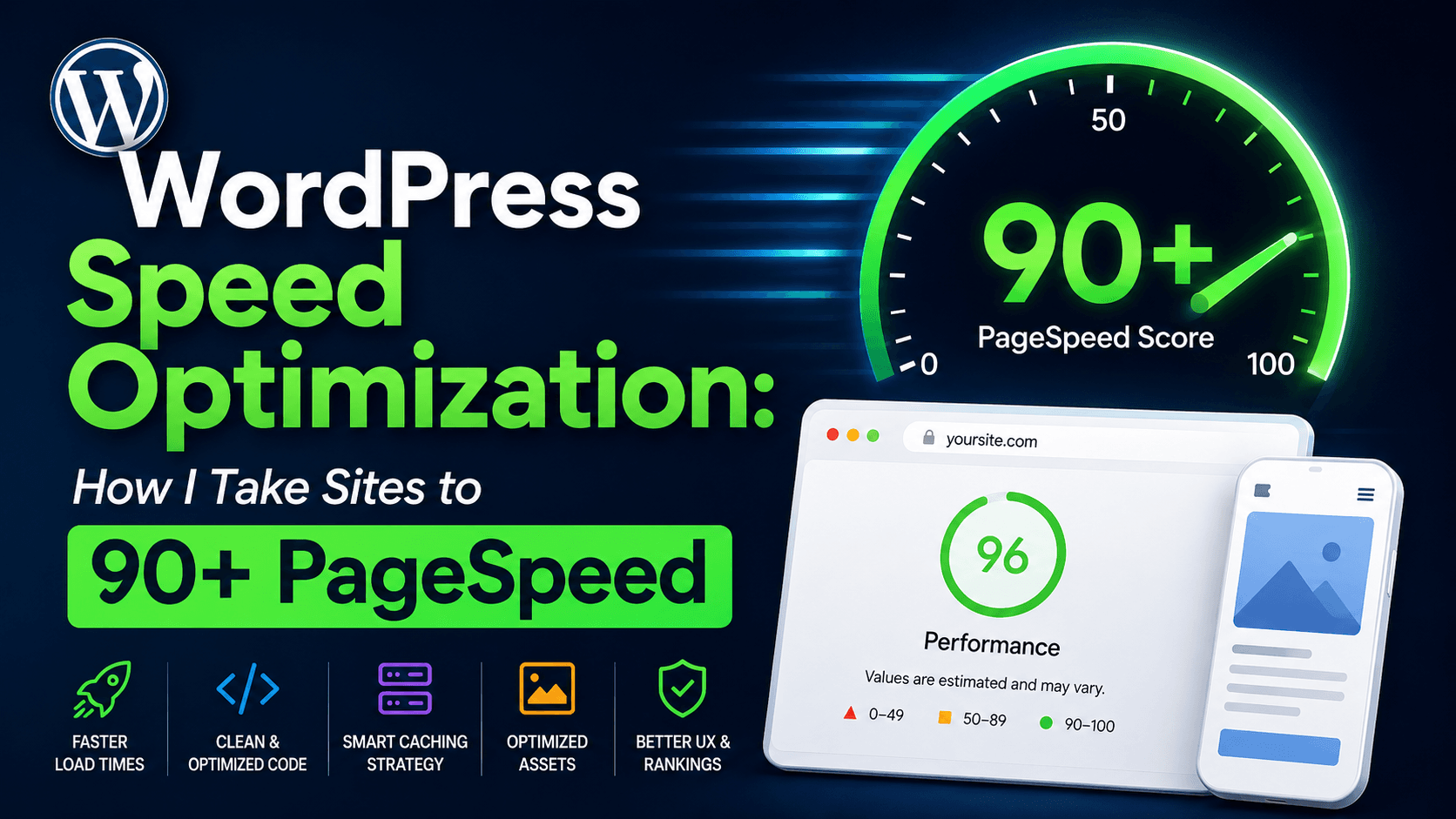
- Speed optimization — a target of 90+ on Google PageSpeed. (If a site's already slow, that's a separate speed optimization service, but a good new build ships fast.)
- Mobile-first responsive design — tested on real devices, since most visitors are on phones.
- Security & SSL — HTTPS, hardening, and a plan for updates.
If a developer charges extra for SEO and speed, or can't explain how they'll handle them, keep looking. These aren't add-ons; they're the difference between a website and a wall decoration.
Step 4: Make Sure You'll Own Everything
Some developers keep you dependent on them — the site lives on their hosting, the domain is in their name, and the code is a locked black box. Before you hire, confirm:
- The domain is registered in your name (never the developer's).
- You get full access to your hosting and WordPress admin.
- Any custom code or plugins are yours — documented so any developer can maintain them later.
Ownership means freedom. If you and the developer ever part ways, your website keeps working and anyone can pick it up.
Red Flags When Hiring a WordPress Developer
- No live portfolio — only mockups, or "I can't share client sites."
- A price with no questions asked — a real quote comes after understanding your project, not before.
- Vague on SEO/speed — or charges extra for both.
- Poor communication upfront — if replies are slow and unclear now, it won't improve after they're paid.
- "I'll build it on my platform" — that you can't own or move.
- No mention of post-launch support — the cheapest quote is expensive if they vanish after launch.
How Much Does It Cost to Hire a WordPress Developer?
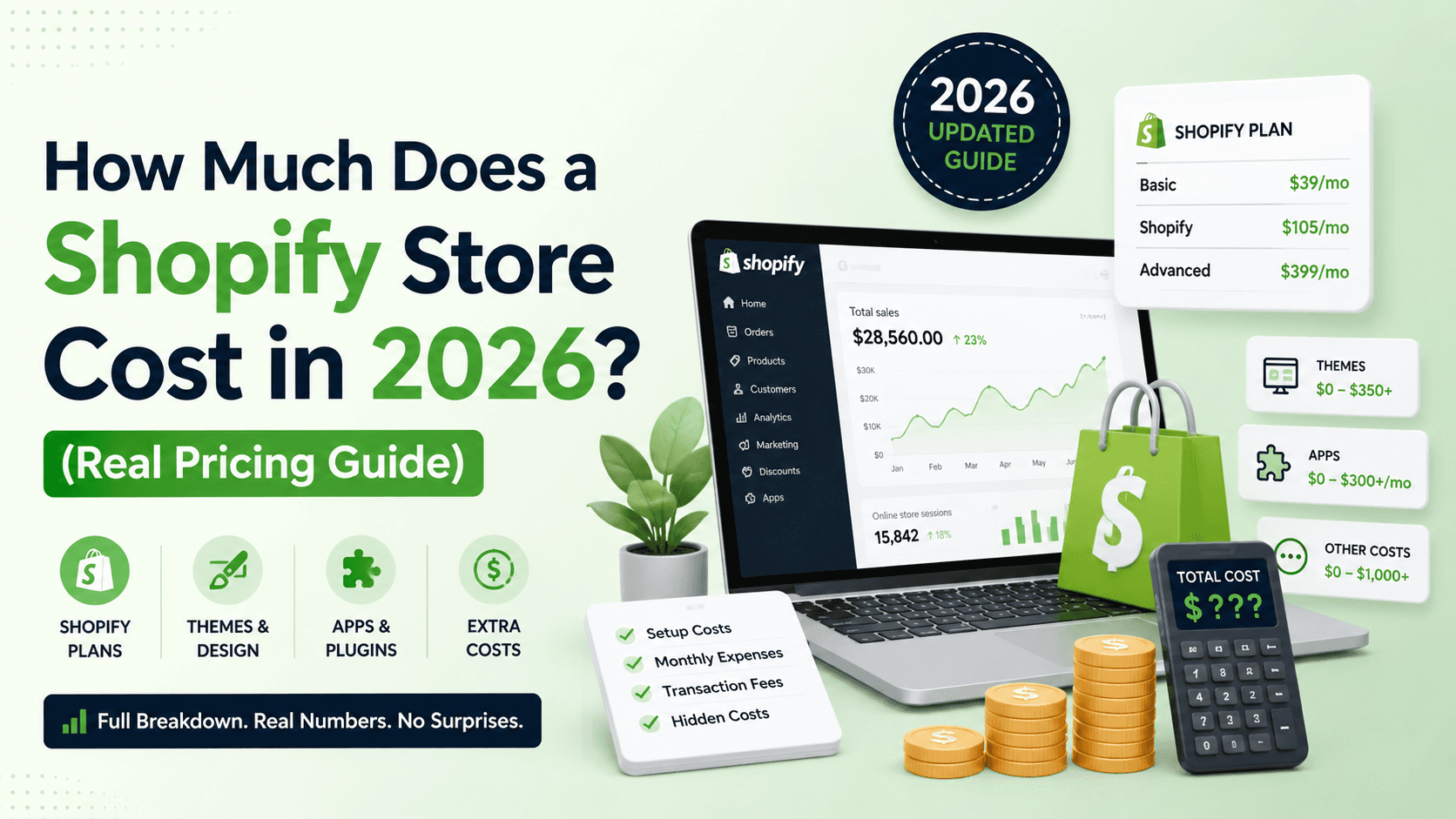
Ballpark, working with a skilled freelancer: a starter business website runs $800–$1,500, a professional multi-page site $1,000–$3,000, and a full eCommerce store $2,000–$5,000+. Agencies charge $10,000–$50,000+ for comparable work. I keep my pricing public — you can read the full breakdown in my WordPress website cost guide or get an instant estimate for your project with my free website cost calculator. Anyone who quotes an exact number before understanding your project is guessing.
Can You Hire a WordPress Developer Remotely / Overseas?
Yes — and it's how most of my clients work with me. Over half are outside Pakistan, across the US, UK, Canada, and Europe. The distance is a non-issue when the developer communicates well and their hours overlap yours. What makes remote hiring work: clear written updates, a shared staging link to review progress, quick channels (Zoom, Slack, WhatsApp, email), and someone whose availability matches your workday. If you want a developer for a specific market, I have dedicated pages for hiring in the USA, UK, Canada, and Germany.
Questions to Ask Before You Hire
- Can I see three live sites you've built that are similar to what I need?
- Are SEO, speed optimization, and mobile design included, or extra?
- Will I own my domain, hosting, and any custom code?
- What's your process, and how will I see progress before launch?
- What happens if something breaks after launch — do you offer support or maintenance?
- What do you need from me, and what's a realistic timeline?
A good developer will have clear answers to all of these — and will ask you just as many questions back. That two-way curiosity is the best sign you've found the right person.